Brazil: The Financial & AgTech Capital for Global Business Education
When most people think of Brazil, they picture vibrant cultural festivals, stunning landscapes, and iconic coastal cities. While those are undeniably part of the country’s global identity, focusing only on tourism leaves out the most compelling story for global business education.
As the largest economy in Latin America with a GDP exceeding $2 trillion, Brazil is a powerhouse of opportunity. The nation is actively shaping the future of global commerce—from pioneering fintech solutions that drive financial inclusion to leading the world in green agribusiness and progressive digital regulation. For universities and corporate groups seeking an immersive global learning destination, Brazil offers an unparalleled environment to study emerging market dynamics, agile policymaking, and scalable tech innovation.
"I want to convey a heartfelt thanks for all the time and effort you put into making sure that our Amazon/Sao Paulo trip would be a success. My expectations, and those of our students, were exceeded! From the company visits, to the cultural experiences, to the restaurant choices – everything was incredible. A huge credit must go to our programme coordinator, Daiane, who made sure everything ran smoothly during the week. Daiane is so passionate and knowledgeable about Brazil, and took a lot of time to help us understand cultural intricacies. It was only a pleasure to work with you over the past few months. I look forward to working with you again in the future."
The Financial Engine of Latin America: São Paulo’s Blueprint for Open Finance and AgTech
In the bustling financial epicenter of Latin America, progressive regulatory frameworks and massive venture capital pools are fueling a technological transition that is redefining both how money moves and how the world is fed.
Why it matters: Corporate executives can extract valuable lessons from the rapid, scalable deployment of digital banking infrastructure, while academic leaders can study the agile policy frameworks that attracted billions in international capital to a developing market. São Paulo has firmly cemented its position as Latin America’s undisputed tech capital, boasting an innovation ecosystem valued at a staggering $108 billion. Historically, regional banking was characterized by high concentration, heavy bureaucracy, and significant barriers to entry.
Faria Lima: The Fintech & Open Finance Capital
São Paulo bypassed these traditional bottlenecks by becoming the launchpad for progressive, agile national frameworks:
PIX: The Central Bank's instant digital payments system rapidly became the dominant payment method nationwide, processing billions of transactions and bringing millions of unbanked citizens into the financial fold.
Open Finance: Brazil now operates one of the world’s largest open banking ecosystems, giving startups a predictable, modern framework to build upon.
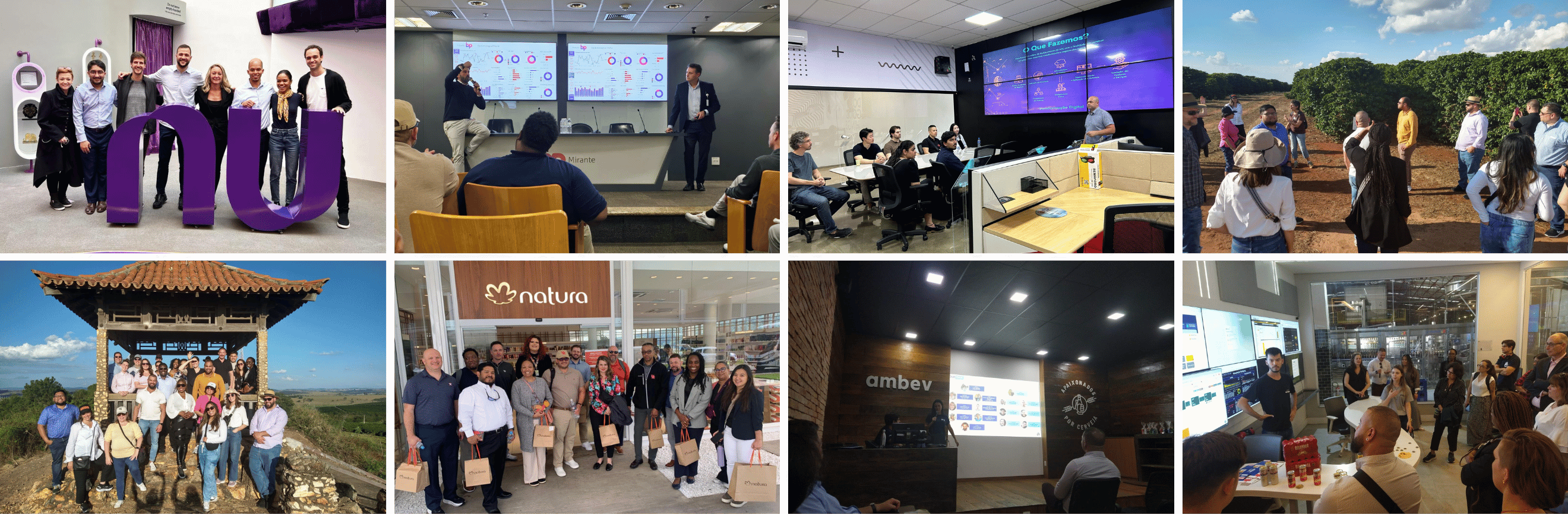
Today, São Paulo hosts 59 percent of all Latin American fintech startups, including industry giants like Nubank, which now serves over 100 million customers across the region. With Brazil capturing over $2 billion in venture capital in 2025 (representing 53 percent of all regional funding in LatAm) and completing 55 percent of all regional fintech deals in Q1 2026, the city offers an unmatched living case study in regulatory agility and digital disruption at scale.
Piracicaba & Campinas: The AgTech Innovation Corridor
São Paulo’s innovation footprint extends far beyond the financial towers of Faria Lima. By marrying its financial prowess with Brazil's legacy as an agricultural titan, the state is aggressively positioning itself as the anchor of global agricultural technology (AgTech).
They are driving the digitalization of one of the world's most critical food production ecosystems through strategic investments and physical innovation hubs:
Specialized Capital: Leveraging funds like the São Paulo Innovation Fund (FIP) and specialized venture capital firms such as SP Ventures, millions are pouring into biological pesticides, climate monitoring software, and precision agriculture.
The Pulse Hub in Piracicaba: Created in collaboration with energy and agricultural giant Raízen, this innovation hub serves as the heart of Brazil's "AgTech Valley." It connects startups directly with massive corporate infrastructure, allowing new technologies to be piloted at a benchmark global scale.
Elite Research: Backed by high-ranking agricultural research universities in nearby Campinas and Piracicaba, the talent pipeline feeding these startups is world-class.
The Takeaway: Together, São Paulo's financial district and agricultural technology corridor tell a single story about a region evolving deliberately—balancing high-speed digital finance in the urban core with massive agricultural modernization across the state. That’s a distinction worth noticing—and worth building an experiential learning program around.
Beyond the Boardroom:
Culture, Connection, and Relationship Building Business in Brazil is deeply rooted in its culture, driven by warmth, adaptability, and the fundamental importance of personal relationships (relacionamento). To truly understand the business landscape, participants must experience the culture firsthand.
We pair high-level corporate visits with unforgettable cultural activities. Whether it's navigating the bustling logistics of local markets, engaging with local founders and industry leaders over regional cuisine, or exploring historical neighborhoods, these experiences ensure participants gain a holistic, boots-on-the-ground understanding of the country.
Build Your Experiential Learning Itinerary
Discover how these regions come together in a customized experiential learning program.
Shaping the Future of the Valparaíso Region in Chile: Tackling Region-Wide Real-World Challenges Through Experiential Learning
As part of the Global Experience Week Wicked Labs Bootcamp, 80 MBA students from Imperial Business School travelled to Chile to tackle ten complex challenges shaping the present and future of the Valparaíso Region.
Singapore Deep Tech and Advanced Manufacturing: How Culture and Urban Planning Power Innovation
Singapore accelerates deep tech R&D and smart manufacturing by integrating long-term state planning with specialized master-planned precincts like one-north and the Jurong Innovation District (JID).
Spain: A Thriving Business Destination with Promising Growth Opportunities
What comes to mind when we think of Spain? For many, it’s images from the vibrant streets of Madrid, sultry flamenco dancing, and savoring a glass or two of Rioja wine.
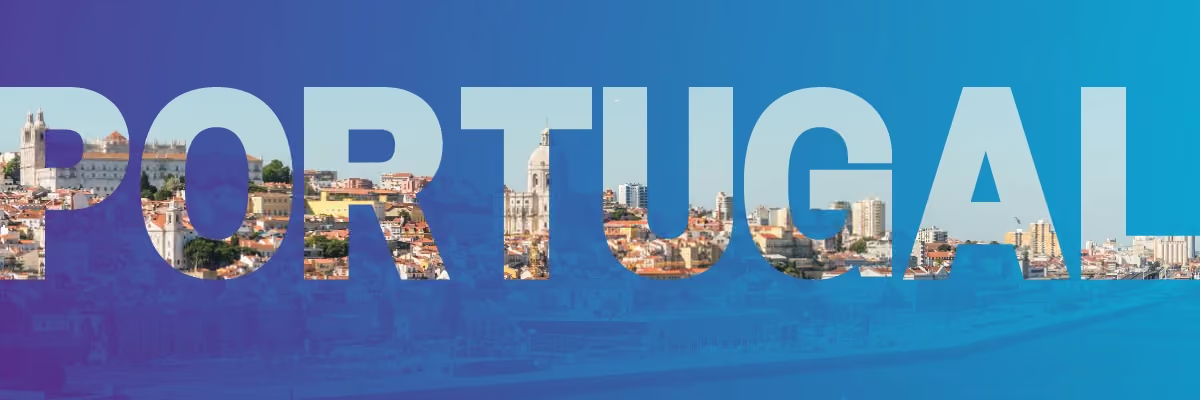
Why Portugal could be a great Destination for Your International Immersion Program
Choosing the right destination for your international immersion program can be challenging, with many options and key factors like curriculum fit, safety, budget, and weather to consider.
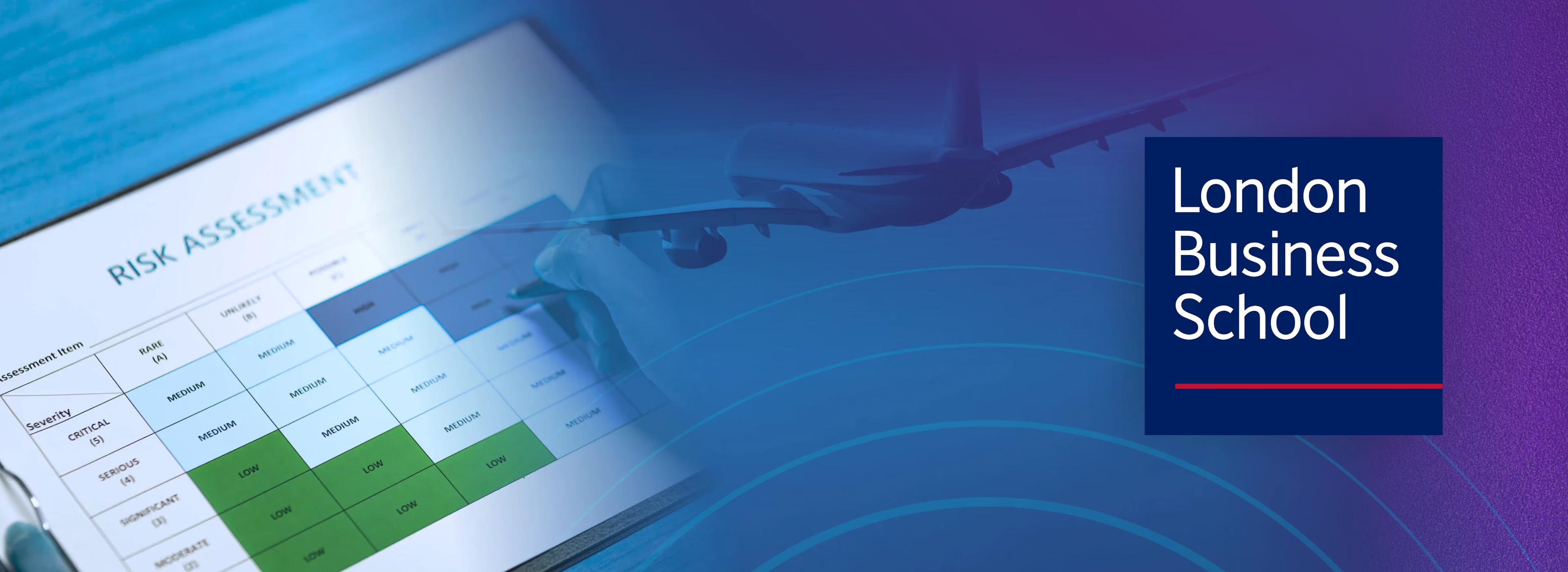
Defining and Assessing Potential Risks for Global Business Immersions
Imagine traveling to a foreign land for an academic or business immersion and then facing unexpected challenges. That’s where our team comes in knowing how to navigate through obstacles.
Exploring Dubai: A Unique Opportunity for Business School Academic Travel Programs
Dubai is a fascinating destination for travelers, business people, and learners alike. As a global business hub, Dubai boasts a cutting-edge landscape of modern skyscrapers, gleaming malls, and bustling souks.
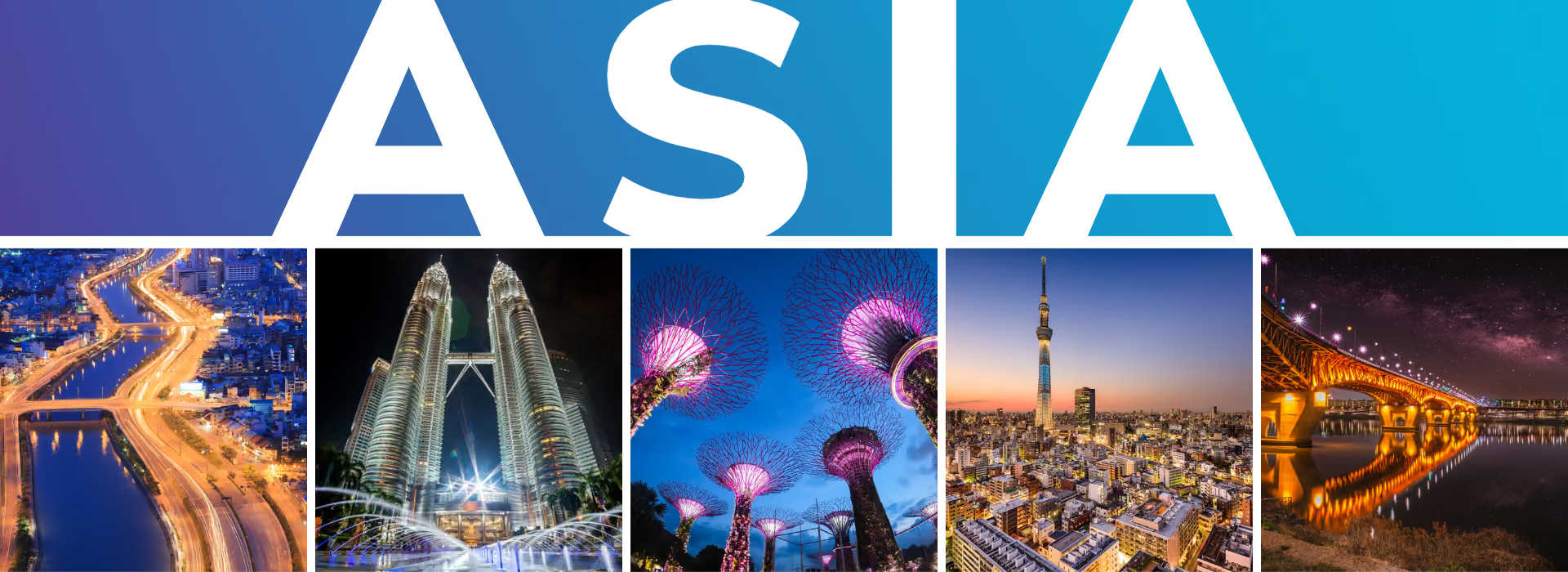
Discover Asia’s Booming Economy: A Business School Trip of a Lifetime
Despite global uncertainty, Asia stands out. Its rapid integration and large population create a vast consumer market, offering future business leaders unique global insights.
Hotels for Study Abroad Programs: What We Consider and Why It Matters
From selecting flights to planning immersive experiences, each choice shapes the program’s outcomes and sets the tone for the participants’ learning and cultural experiences.


















%2010.27.46%E2%80%AFa.%C2%A0m.%201.avif)


.svg)