What Is Experiential Learning? Inside a Faculty-Led Global Business Program
What makes a student travel experience meaningful?
It’s not just the travel or the company visits. The real impact comes from placing students in situations where they must navigate uncertainty, work across cultures, and apply what they know in real time.
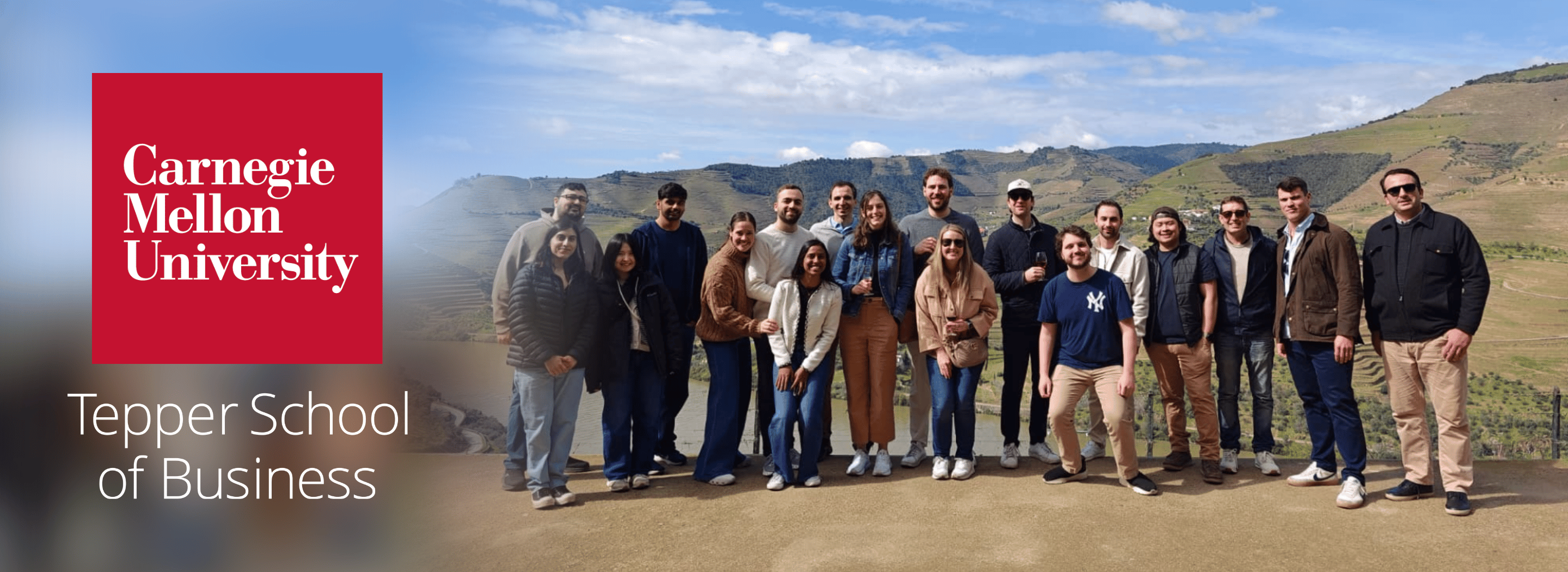
As faculty-led study abroad programs continue to evolve, experiential learning has become one of the most valuable parts of modern business education. At Carnegie Mellon University’s Tepper School of Business, global programs are designed as immersive learning experiences that challenge students to think and operate outside of the typical student travel experience.
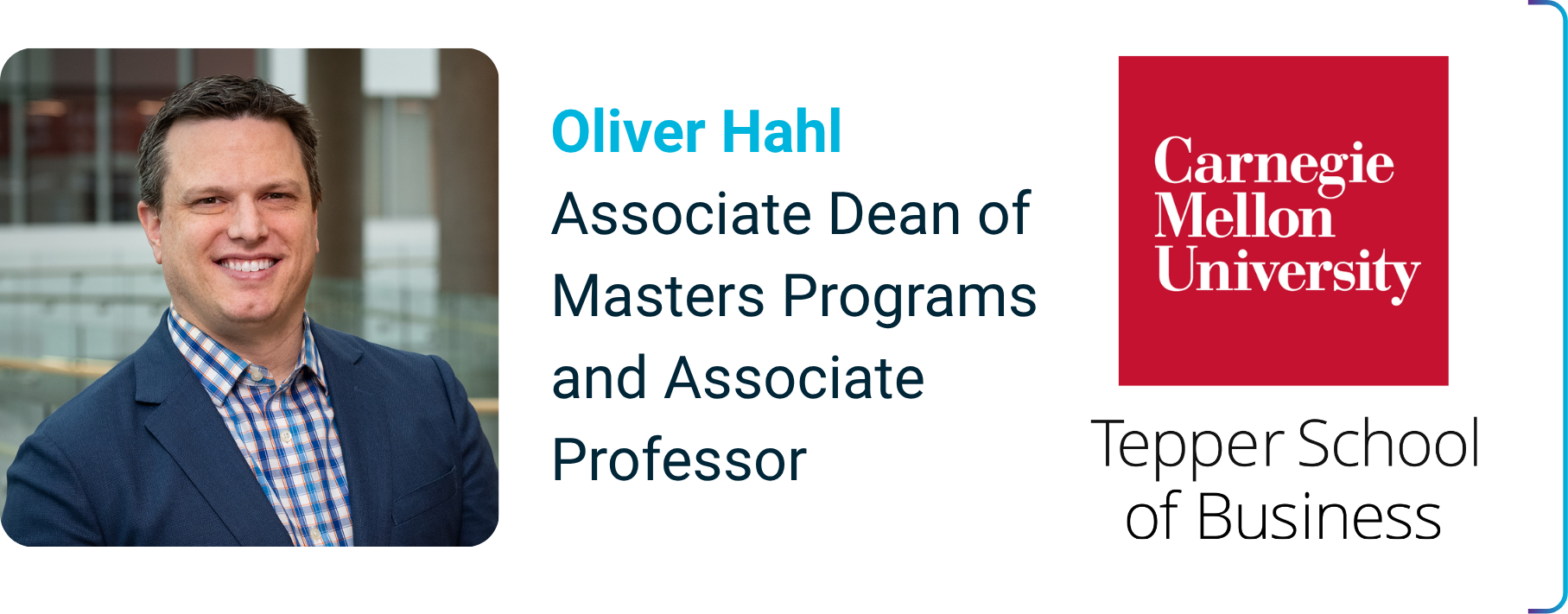
“The travel is important,” explains Oliver Hahl, Associate Dean of Masters Programs and Associate Professor of Organization Theory, Strategy and Entrepreneurship at the Tepper School.“But what students remember most is learning how to operate in environments where there isn’t always a clear answer.”
What Is Experiential Learning?
Experiential learning is the process of learning through direct experience rather than observation alone.
In business education, that often means working on real-world projects, collaborating with companies, and navigating situations where the outcome is not fully defined in advance.
Rather than simply studying business concepts in a classroom, students are asked to apply them in live environments where communication, culture, and uncertainty all shape decision-making.
That shift from theory to practice is what makes experiential learning so impactful.
How Faculty-Led Study Abroad Programs Create Real Learning
Many faculty-led study abroad programs include company visits, guest speakers, and cultural activities.
The Tepper School’s approach goes further by placing students directly into real business challenges with international companies.
Students begin working on projects before they travel, but once they arrive in-country, their understanding often changes quickly.
“What students think they understand remotely often changes once they’re on the ground,” Hahl explains. “Context changes everything.”
Students quickly realize that business decisions are shaped not only by analysis, but also by communication styles, cultural expectations, and human dynamics.
Why Ambiguity Matters in Experiential Learning
Experiential learning is intentionally less structured than traditional coursework.
“The experience itself is the rigor,” Hahl says.
Students are expected to define problems, align stakeholders, and make decisions without complete information. Instead of being handed clear answers, they learn how to adapt as situations evolve.
“Students often want clarity immediately,” he explains. “But leadership often requires moving forward before everything is fully defined.”
That experience helps students develop practical leadership skills that are difficult to replicate inside a traditional classroom.
The Value of a Global Student Travel Experience
A global student travel experience also changes how students understand international business challenges.
Conversations around supply chains, energy, or geopolitical instability become more tangible when students see firsthand how companies and communities are affected in different regions of the world.
“One thing students realize quickly is that uncertainty looks different depending on where you are in the world,” Hahl explains.
These experiences help students build cross-cultural communication skills, adaptability, and a broader understanding of how business operates globally.
Learning Beyond the Classroom
Some of the most valuable learning happens outside formal sessions, where the students are able to connect on a deeper level. Team discussions, conversations after company visits, and reflections from other students all give students a taste of what to expect in the real world.
“We’re not there simply to lecture,” says Hahl. “A lot of the learning comes from helping students process what they’re experiencing in real time.”
Faculty in study abroad programs often act less as instructors and more as guides, helping students connect their real-time experiences to the broader business and leadership concepts explored at the Tepper School.
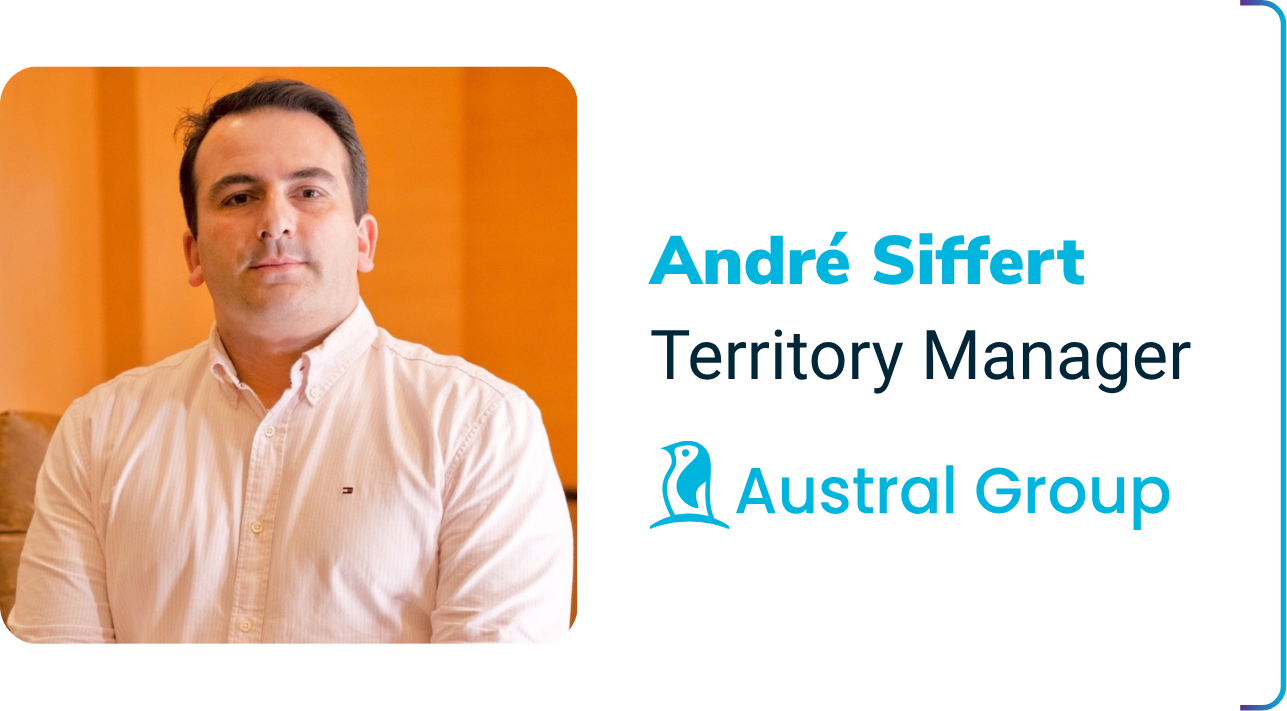
André Siffert, Territory Manager, Austral Education Group says that the programs create moments that can’t be replicated in the classroom. “The learning becomes much more immediate because they’re actively navigating real environments, real conversations, and real challenges together.”
Together, those experiences create a learning environment that extends far beyond the classroom itself.
More Than a Student Travel Program
The most effective travel programs change the perspective of the student, making them incorporate lessons learned long after they return home. This isn’t because they got to experience a new culture, but more that they learned how to collaborate with perspectives other than their own. The confidence gained by navigating uncertain environments and situations with their peers, pushes them towards the next step in leadership.
“That’s difficult to teach in a traditional classroom alone,” Hahl reflects. “At some point, students have to experience it for themselves.”
When designed intentionally, experiential learning becomes more than an academic exercise. It becomes a bridge between studying business and learning how to operate within it.
Frequently Asked Questions: Experiential Learning & Global Business Programs
What exactly is experiential learning in business education?
It is learning through direct experience rather than observation alone. Students work on real-world projects, collaborate with companies, and navigate undefined situations. Instead of just studying business concepts, they apply them in live environments. Learn more on our Experiential Learning page.
How does a faculty-led program differ from standard student travel?
A truly immersive approach goes beyond typical company visits or cultural activities by placing students directly into real business challenges with international companies. Because context changes everything, students often find their understanding evolves rapidly once on the ground. Explore our corporate case studies to see these challenges in action.
Why is navigating ambiguity so important for students?
Because "the experience itself is the rigor." Students must define problems, align stakeholders, and make decisions without complete information. This develops practical leadership skills, teaching them how to confidently move forward even when the answers are not fully defined.
How does a global environment enhance the learning experience?
It makes international business challenges tangible. When students see firsthand how supply chains or geopolitical shifts affect different regions, they quickly realize that business decisions are shaped by cultural expectations, communication styles, and human dynamics—not just data analysis.
How can organizations get involved with these programs?
Experiential learning bridges the gap between studying business and actually operating within it. If your organization wants to help students navigate uncertain environments and build leadership confidence, learn more about collaborating through our consulting projects.
Related articles
September 9, 2026
Experiential Learning
University Consulting Projects: How Two Founders Used Student Teams to De-Risk Major Growth
When expanding into new product categories or launching across international borders, business leaders face high-stakes strategic questions. How do you validate a market entry strategy without burning through capital?
Tips for a successful visa application for your academic travel program
International immersions are exciting, but having the right documentation is essential—understand the visa process to ensure a smooth, hassle-free trip.
Group travel for a global immersion is both exciting and challenging. With the right mindset and approach, trip leaders can turn it into a successful, rewarding experience.
Experience Germany’s Thriving Industries through Global Business Immersion Programs
Germany’s innovative business landscape and growing education hub offer students and executives dynamic opportunities to explore and learn from a thriving industry.
Fostering Global Business Education: The Austral Group and Atlassian Collaboration
In San Francisco, Austral Group and Atlassian partner to give business students real-world insights and meaningful tech industry connections through immersive visits.
Together Towards Tomorrow: A Mother-Daughter MBA Journey
A mother and daughter returning to school together is both heartwarming and bold, redefining family bonds through shared global experiences beyond the degree.











.avif)


.avif)
.png)


.svg)